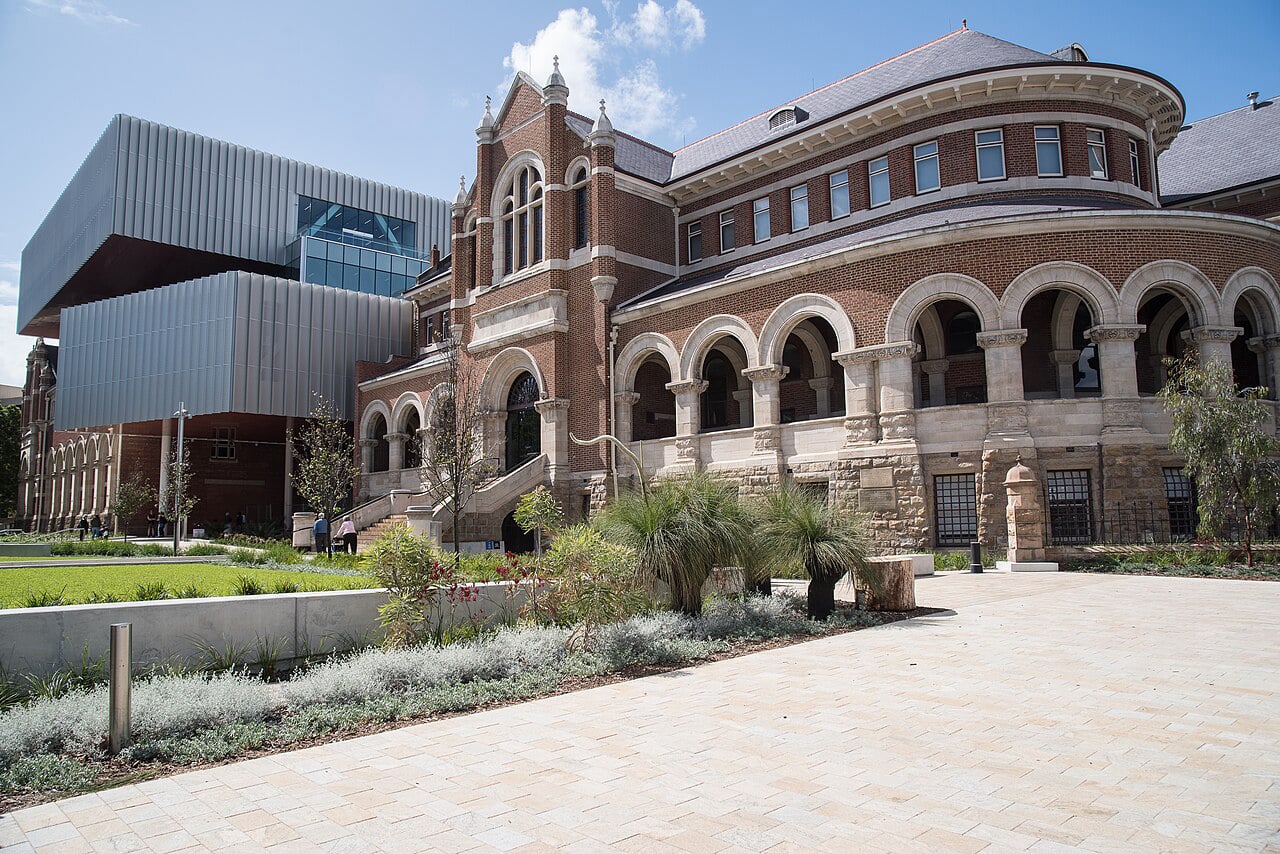
Melbourne has developed a museum landscape that reflects the breadth of Australian history, science, culture and public life. Rather than being defined by one type of institution, the city offers a collection of museums and cultural spaces that approach knowledge from very different directions. This diversity makes Melbourne an interesting place to consider how museums contribute to the way a city understands its past and present. From natural history and scientific discovery to migration and First Peoples’ cultures, the subjects represented across the city reveal many layers of Australian experience.
A significant part of this landscape is represented by Museums Victoria, the organisation responsible for several major cultural institutions and collections. Its work extends across natural sciences, technology, social history and other areas of public knowledge. Looking at museums victoria therefore means looking beyond a single exhibition or building. It involves considering how collections are gathered, preserved, researched and presented to the public. Museums can contain objects that appear ordinary at first glance but become meaningful when placed within a historical or scientific context.
One of the best-known institutions associated with this network is Melbourne Museum. Located in Carlton, it provides visitors with opportunities to explore subjects ranging from natural history to human culture and the environment. The building itself is part of Melbourne's cultural landscape, while its galleries demonstrate how museums can combine objects, scientific information, historical interpretation and interactive experiences. Discussions about Melbourne Museum Victoria can therefore extend beyond individual displays to questions about how modern museums communicate complicated subjects to audiences of different ages and backgrounds.
The wider idea of Melbourne Museum Australia also illustrates the relationship between local and national perspectives. Although a museum is situated in a particular city, the subjects represented within its collections can reach far beyond that location. Natural specimens can tell stories about Australia's distinctive environments, while historical objects can reveal changes in technology, work, domestic life and social relationships. Museums create a setting where these different scales of history can be considered together, allowing visitors to move between individual experiences and much broader questions about Australian society.
Science is another important part of Melbourne's museum landscape. Scienceworks focuses on scientific ideas, technology and practical discovery, offering a different museum experience from institutions centred primarily on historical collections. Scienceworks Melbourne demonstrates how museums can encourage visitors to engage with concepts through observation and experimentation. Its approach is particularly relevant to discussions about science communication, because understanding a scientific principle can become more accessible when it is connected with familiar experiences and interactive environments.
The role of Scienceworks Museum also highlights an important change in the way museums are understood. Traditional ideas of museums often emphasise quiet galleries and carefully arranged objects, but contemporary institutions can use movement, participation and experimentation as part of interpretation. This does not make the museum experience less educational. Instead, it reflects an understanding that people learn in different ways. For younger visitors especially, interactive experiences can provide a starting point for further questions about physics, engineering, technology and the natural world.
Melbourne's museum landscape also includes institutions concerned with social history and personal experience. The Immigration Museum explores stories associated with migration, settlement, identity and belonging. Its collections and exhibitions provide opportunities to consider how movements of people have influenced Australian society. The Immigration Museum Melbourne is particularly valuable in showing that large historical developments can also be understood through individual experiences, family memories and personal objects. Such material can make broader historical themes more tangible.
This approach also raises questions about whose stories are collected and how they are interpreted. Museums do not simply preserve objects; they make decisions about context, language and presentation. A contemporary museum may therefore invite visitors to think about different perspectives rather than presenting history as a single, unchanging narrative. The Immigration Museum demonstrates how personal stories can contribute to a wider understanding of Australian history while also reminding audiences that experiences of migration are varied and complex.
First Peoples' perspectives are another essential element of Australia's cultural landscape. Bunjilaka at Melbourne Museum provides a space dedicated to Aboriginal cultures and stories, with a particular connection to the living traditions and histories of Victoria's First Peoples. Bunjilaka Melbourne is important within the wider museum environment because it contributes to a more complete understanding of the country's cultural history. Its presence also reflects the continuing importance of respectful interpretation, community knowledge and cultural authority in museum practice.
Considering Bunjilaka alongside other institutions shows how different forms of knowledge can coexist within a city's cultural environment. Scientific collections, historical documents, personal belongings and cultural knowledge may follow different traditions of interpretation, yet each can contribute to a deeper understanding of Australia. Museums can provide opportunities to encounter these perspectives while encouraging visitors to consider how knowledge is created, preserved and shared.
The museum landscape of Melbourne is therefore not simply a collection of buildings containing exhibitions. It is a network of places where questions about Australia can be explored from different angles. Museums Victoria provides a broad institutional framework, while Melbourne Museum offers extensive collections and exhibitions, Scienceworks approaches learning through science and technology, and the Immigration Museum examines movement and identity. Bunjilaka adds an important focus on Aboriginal cultures and First Peoples' perspectives.
What connects these institutions is their role in public learning. A museum visit can begin with a single object, an interactive display or a personal story and develop into a much wider curiosity about the world. This is one reason museums remain relevant in an age when enormous amounts of information are available digitally. Physical collections provide material evidence, while exhibitions create spaces in which people can encounter ideas together.
Melbourne's museums also demonstrate that cultural life is constantly evolving. Collections continue to be researched, exhibitions change and conversations about representation develop over time. The museum is not a finished record of history but a place where interpretations can be reconsidered. For visitors, this can make returning to familiar institutions rewarding, because the same city and its collections can offer new questions and perspectives.
Exploring Melbourne's museum landscape ultimately means exploring the many ways Australians understand their environment, history and communities. From scientific discovery at Scienceworks Melbourne to social histories at the Immigration Museum Melbourne and cultural knowledge represented at Bunjilaka, the city's institutions offer different routes into a shared conversation about Australia. Together, they show why museums remain an important part of cultural life: they preserve evidence of the past while creating opportunities to think about what that past means in the present.